Our Principles
We are committed to delivering culturally responsive NDIS support that recognises the person first — not just their needs, but also their strengths, identity, values, and environment. Guided by holistic principles rooted in cultural values and views, our approach recognises the interconnection between an individual’s physical, mental, spiritual, cultural, and social wellbeing — elements we see as essential to meaningful and sustainable support.
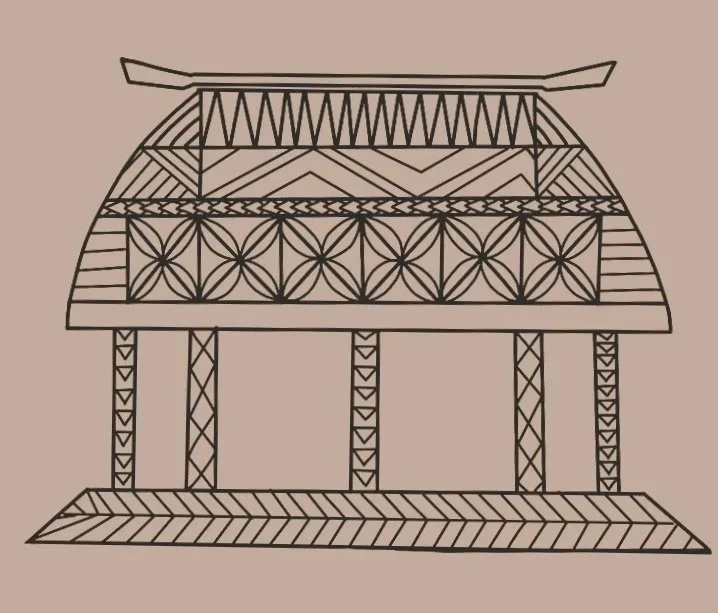
Our framework symbolically reflects homes in villages, with each part representing a key element of wellbeing:
-
The foundation represents the values of family, which is the foundation for all cultures. Family includes immediate and extended family, and all the people you care about and connect with in life. Family forms the fundamental roots and centre of social structures and orientation.
It symbolises how we are tied to our family, home, country, culture and language.
-
The roof represents culture, values and beliefs, which are considered the shelter for life.
It recognises the evolving and adapting nature of culture. Some people may uphold a traditional approach specific to their roots or identity.
-
The home structure is supported by four pillars, which represent the spiritual, physical, mental and aspects of wellbeing.
The pillars are all interconnected and continuously interact with each other and with the family and culture. This is integral to our health and wellbeing.
Spiritual – This relates to the sense of wellbeing that stems from a belief system. This could include religion or traditional spirituality relating to nature, spirits, language, beliefs, ancestors and history, or a combination of both.
Physical – This dimension relates to biological or physical wellbeing.
Mental – This dimension relates to the wellbeing or the health of the mind, which involves thinking, emotions and the behaviours expressed.
Other – This dimension relates to things that can directly or indirectly affect health such as, but not limited to, gender, sexuality/sexual orientation, age, socioeconomic status.
-
Surrounding the home is your environment. This represents your surroundings, time and context, all of which affect and shape who you are.
These elements can have direct or indirect influences on each other. The environment relates to the impact of a specific time in your life, your unique relationship to your physical environment, and socio-economic, political, legal or personal contexts that shapes an individuals experiences.